All training paths, one hub
Training
Find your path—then take the next step with Scuba Network.
Training is where great dives begin—and where smart divers keep getting better. Whether you’re brand new to scuba, brushing up after time away, aiming for pro, or building specialized skills for technical or public safety work, we make it easy to see the big picture and choose a next step that fits your goals.
This page is your training hub. Use it to navigate to the training track you want, understand how the pathways connect, and jump into the details (including online learning links where available).
Explore
Beginner Courses
Learn more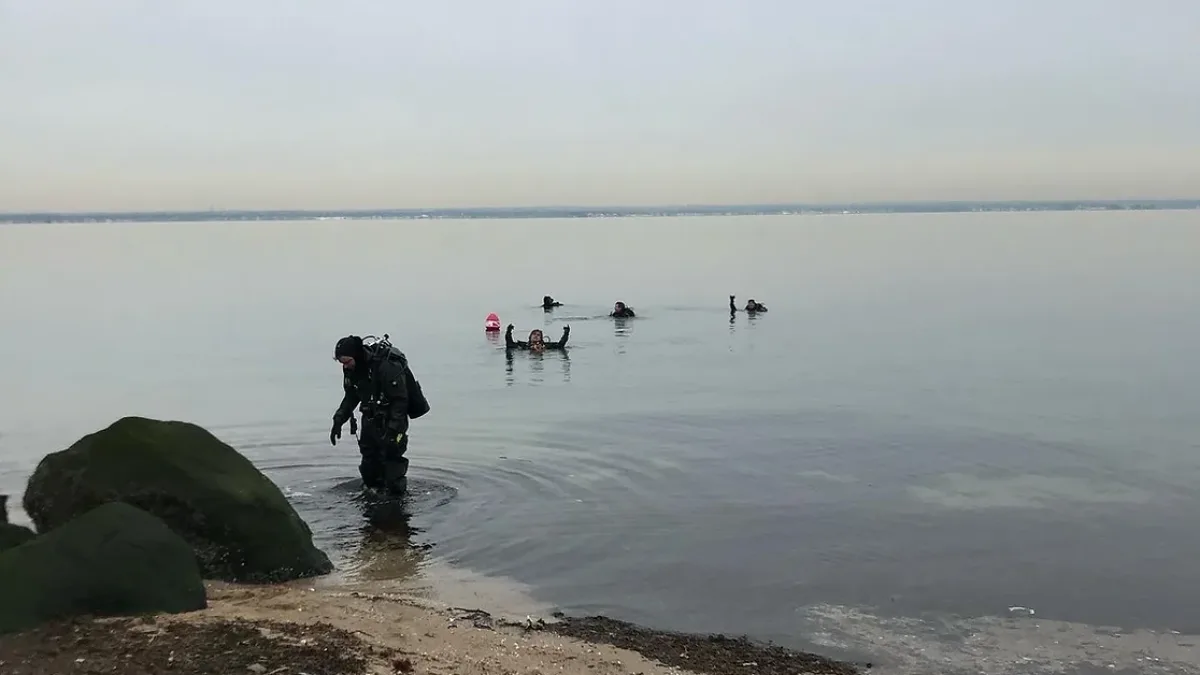
Continuing Ed
Learn more
Safety First Aid
Learn more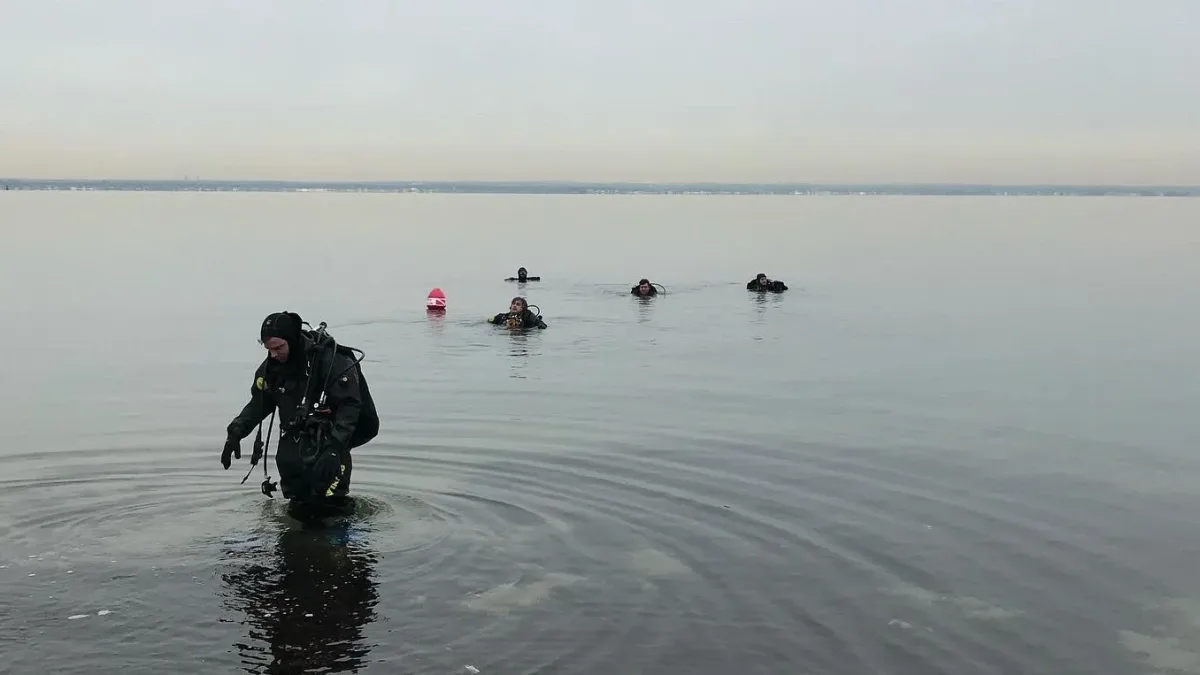
Public Safety
Learn more
Technical Diving
Learn more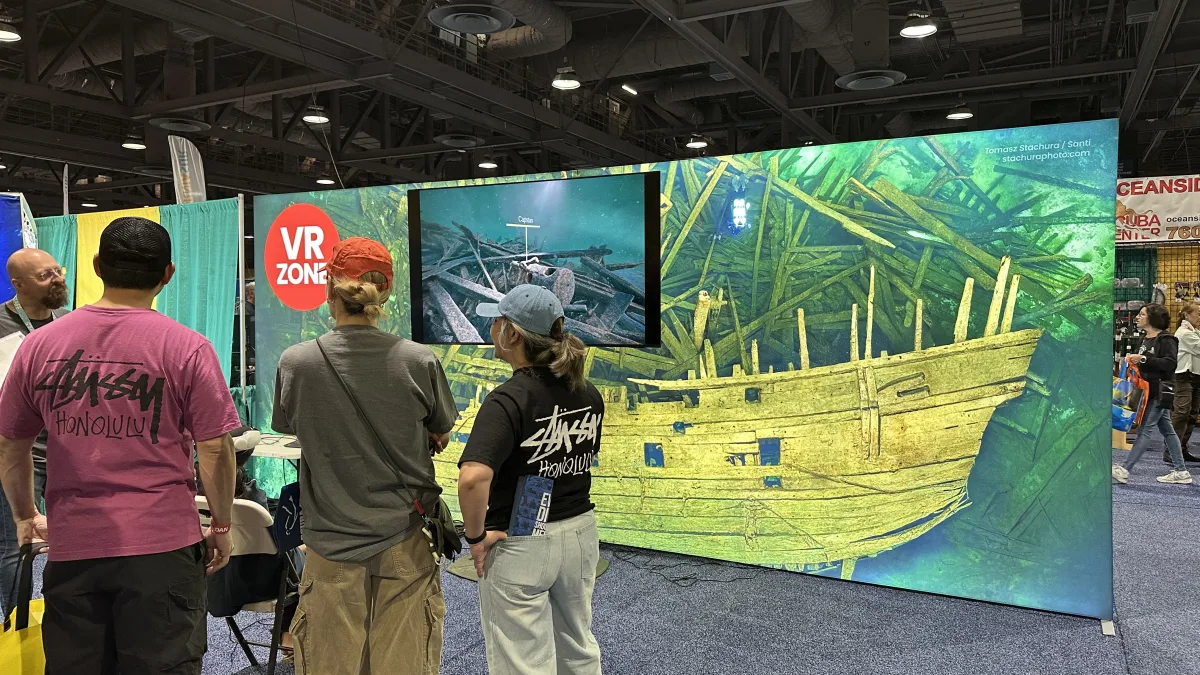
Pro Courses
Learn more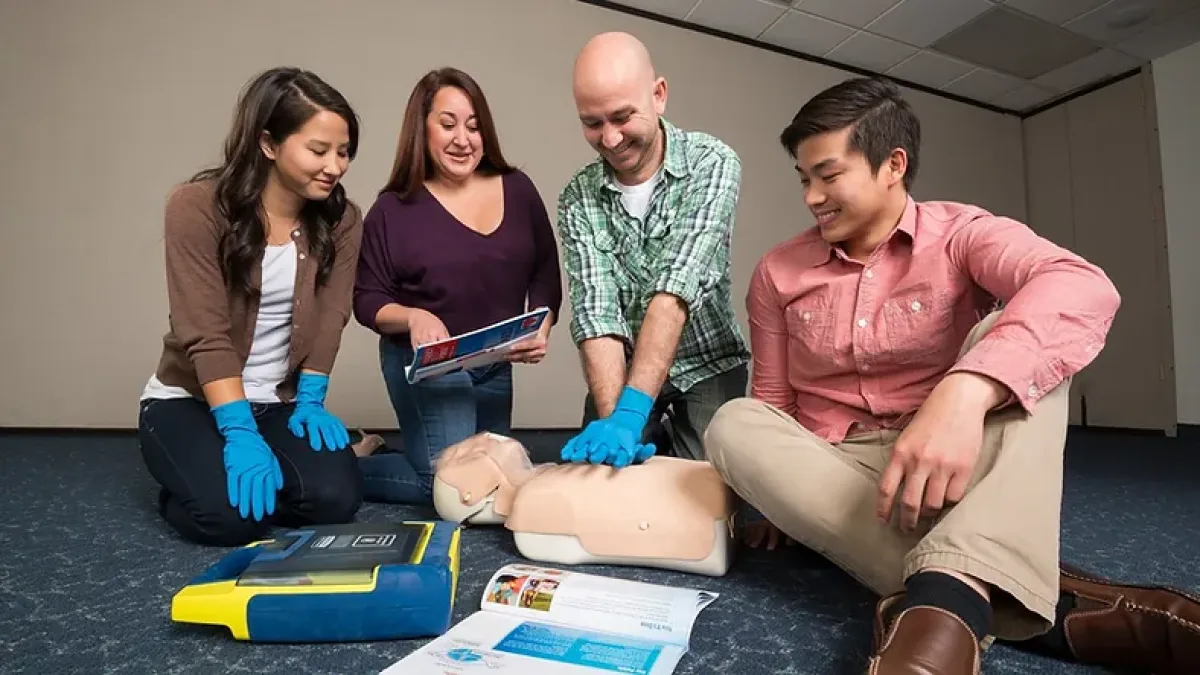
PADI eLearning
Learn moreStart here, stay oriented
Choose your training pathway
Scuba training isn’t one single ladder—it’s a set of pathways that can branch and reconnect as your interests evolve. A common progression starts with learning core skills and comfort in the water, then adds experience, specialty knowledge, and leadership capability. Some divers go deep into underwater photography, buoyancy mastery, or navigation; others move toward professional-level leadership; others focus on technical environments and equipment; and some train for safety, first aid, or public safety missions.
If you’re not sure where you belong yet, that’s normal. Start with the section that best matches your current comfort level and what you want to do underwater next.
Beginner scuba training options
If you’re new to diving, your first goal is simple: become a confident, capable diver with a clear understanding of fundamentals—how to plan a dive, communicate, manage your equipment, and respond calmly when things don’t go exactly as expected.
Beginner training is also where you’ll learn what kind of diver you want to be. Some people love relaxed reef dives. Others discover they’re drawn to wrecks, colder water, deeper profiles, or mission-driven diving. The right beginner class sets you up with skills you’ll use on every single dive after.
Explore our beginner training pages to compare options and find the best starting point for you.
Continuing education & specialty training
Already certified? This is where diving gets really fun.
Continuing education is about building capability on purpose—so your dives feel easier, smoother, and more enjoyable. Specialty training helps you focus on specific environments and dive goals, while skill-focused courses sharpen the building blocks that make every dive better (think buoyancy control, awareness, and comfort under task load).
If you have a dive trip coming up, continuing education is also a great way to prepare intentionally—so you’re not just hoping you’ll “feel ready” when you arrive.
Professional-level training
If you love diving so much you want to lead, mentor, and be the person others trust in the water, professional training is your lane.
Professional pathways focus on judgment, problem management, situational awareness, and leadership—skills that change how you dive even when you’re off duty. This track is a fit if you want to guide certified divers, help with classes, or pursue a long-term role in the dive industry.
If you’re considering pro training, click through to the professional pages and compare steps so you can plan a realistic, exciting route forward.
Technical diving training
Technical diving expands what’s possible underwater—but it demands a higher level of preparation, precision, and discipline.
This pathway is for divers who want structured training for more complex dives, overhead environments, advanced equipment configurations, and deeper planning. Technical training is not about “pushing limits.” It’s about earning access through skills, procedures, and a mindset that treats small details as big deals.
If you’re curious about technical training, start by reading through the technical course pages and choose the level that matches your current experience.
Safety & first aid training
Diving is more enjoyable when you’re prepared—not just for yourself, but for your buddy and community.
Safety and first aid training gives you practical tools for real-world situations. It’s valuable even if you never plan to go pro: you’ll be better at recognizing problems early, staying calm, and taking meaningful action when it counts.
If you’re building a well-rounded training plan, consider pairing a dive-focused course with a safety-focused course so your confidence grows from both sides.
Public safety training
Public safety training is purpose-driven. It’s for divers who support teams and missions where the stakes—and the environment—can be very different from recreational diving.
If you’re exploring this route, use our public safety training pages as your starting point. You’ll get a clearer picture of what the pathway includes and where it fits alongside other training.
PADI eLearning (online learning links)
Prefer to complete academics online, at your pace? PADI eLearning can be a great way to start learning before you meet for in-water training, or to keep your progress moving between sessions.
We include eLearning links on the relevant course pages—so you can match the right online component to the training you’re planning to take.
Not sure what to pick? We’ll help you map it.
If you can answer these three questions, you can usually identify the right next step quickly:
- Where are you now? (Never certified, newly certified, active diver, returning after a break)
- What do you want to do next? (More comfort, new environments, leadership, technical goals, safety skills)
- What’s your timeline? (Upcoming trip, steady monthly progress, long-term pathway)
From here, click into the training category that fits best and review the course options. If you still feel torn between two paths, that’s a good sign you’re thinking like a diver—compare both, and choose the one that best supports the dives you actually want to do.